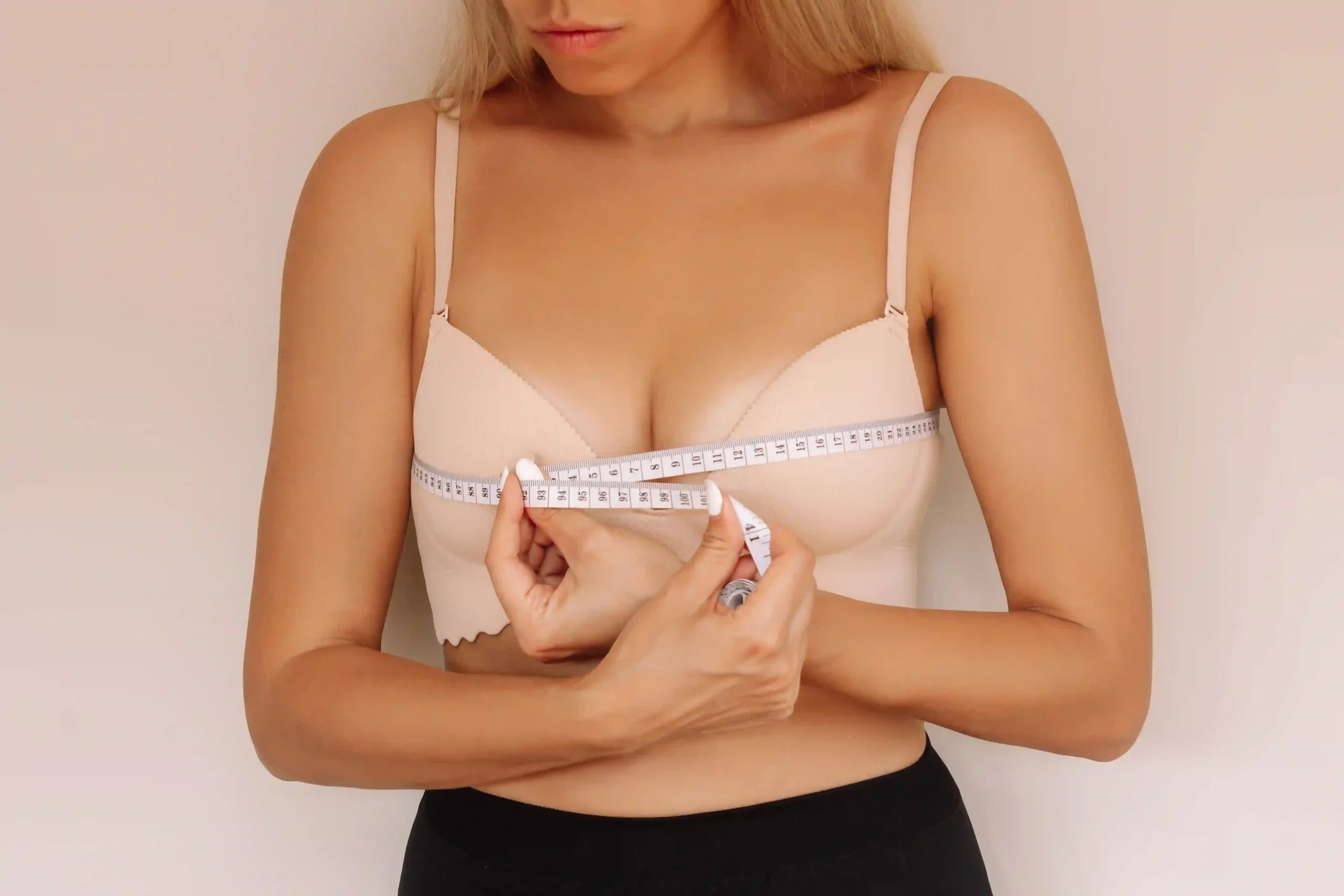





Preparing for plastic surgery is not just about choosing a skilled surgeon—it’s about ensuring your body is ready. All reputable clinics (whether in the US, UK, or Turkey) require a thorough medical evaluation before operating. If a surgeon never asks for tests, that’s a red flag: as one plastic surgeon bluntly warns, “If your cosmetic surgeon doesn’t require you to have any lab tests before your surgery, run the other way!”. These screenings (blood tests, scans, and doctor clearances) ensure you are healthy enough for anesthesia and surgery. They catch hidden issues (like anemia, infection or metabolic imbalances) that could jeopardize the procedure or your recovery. In short, pre-op labs and checks are your safety net – and an essential part of every plastic surgery journey.
Plastic surgeons stress that pre-operative lab tests are vital. These tests help confirm you’re healthy and safe for anesthesia
Common Pre-Surgery Lab Tests
Surgeons typically order a battery of blood tests weeks before the operation. These often include:
- Complete Blood Count (CBC): Measures red and white blood cells and platelets. A CBC can detect anemia or infection. For example, a CBC with differential checks hemoglobin, hematocrit and platelets to identify anemia or infection risk
- Metabolic Panel (CMP/BMP): Assesses electrolytes, kidney and liver function, and blood sugar. This tells the team if organs (liver, kidneys) are working well and if your body’s fluid balance and nutrients are normal.
- Coagulation Profile (INR/PTT): Ensures blood can clot properly. Checking clotting factors and platelets helps predict bleeding risk during surgery.
- Pregnancy Test (HCG): Crucial for women of childbearing age. An undetected pregnancy is a contraindication to elective surgery (anesthesia and procedures can harm an unborn baby). A doctor emphasizes it’s “essential that women not be pregnant when they undergo plastic surgery”. Guidelines (including US and UK protocols) mandate asking about pregnancy and obtaining a test if there’s any doubt.
- Other Specific Tests: Depending on your health and age, you might also need blood glucose (especially if diabetic) or HIV screening (for infection control). For patients over 40–50, an EKG (electrocardiogram) and sometimes a chest X-ray are often required to assess heart and lung function. (For example, a practice requires an EKG for all patients over 40 or with heart history, and another’s guidelines advise EKG and chest X-ray for patients 50+)
In many cases, your surgeon or clinic will either arrange these tests or give you requisitions. For instance, Vitapera’s pre-op instructions simply advise: “Follow your doctor’s instructions for any lab tests or medical evaluations that are required.” This ensures nothing is overlooked.
Pregnancy Testing and Age Considerations
Pregnancy Testing: If you’re a woman of childbearing age, the team will confirm you’re not pregnant. An undetected pregnancy can lead to serious fetal harm under anesthesia. US plastic surgeons typically test all women before surgery. and UK guidelines (NICE) advise obtaining consent for a pregnancy test whenever there’s any uncertainty. For example, Hochstein MD explains that an HCG blood/urine test is “essential” if there’s any chance of pregnancy. If you have even a slight chance of being pregnant, expect to take a pregnancy test at or just before the pre-op appointment. This simple step protects you and your baby.
Age-Related Checks: Your age also affects needed tests. Surgeons often have cutoffs (e.g. over 40 or 50) for extra exams. It’s common to get an EKG to screen heart rhythm and an age-appropriate cardiac evaluation if you’re middle-aged or older. For those over 50 or with chronic issues, doctors may add a chest X-ray to rule out lung problems or silent heart disease. (Notably, UK NICE guidelines say routine chest X-rays aren’t needed for all patients but most surgeons will do them based on risk factors.) These precautions ensure that anesthesia is as safe as possible for your age and health.
Nicotine and Medication Screening
Smoking or vaping up to surgery is strongly discouraged. Nicotine constricts blood vessels and dramatically slows healing, increasing complications. Therefore many clinics require a nicotine-free period before surgery. For example, North Texas Plastic Surgery mandates patients be smoke-free for at least 4 weeks prior to any operation, verified by a urine nicotine test. Likewise, UK mommy-makeover surgeons advise quitting cigarettes 6–8 weeks (ideally 3 months) before surgery Even medical tourism guides to Turkey stress avoiding any smoking or alcohol for at least 2 weeks before and after surgery. In practice, this often means: don’t smoke or use nicotine products for a full month or more pre-op, and plan on testing at the pre-op visit
You should also stop certain medications and supplements that thin the blood or affect healing. Most doctors will have you stop aspirin, anti-inflammatory drugs (e.g. ibuprofen) and certain herbal supplements (like ginkgo, ginseng, St. John’s Wort) about 1–2 weeks before surgery These substances can increase bleeding risk. Alcohol should be limited or avoided for at least a week or two pre-op as well. Maintaining a healthy diet and adequate nutrition in the weeks leading up to surgery (plenty of vitamins and protein) further supports good healing
The Role of Your Family Doctor
Before surgery, many surgeons ask patients to get medical clearance from their family physician or specialists. This “GP check-up” verifies you’re fit for anesthesia, especially if you have health issues. For example, the American Society of Plastic Surgeons notes that surgeons “often require that you visit your general practitioner for a check-up and a medical clearance letter” Your GP can perform a basic physical exam (listen to heart/lungs, check blood pressure, etc.) and ensure chronic conditions (like diabetes, hypertension) are controlled. If you have a serious condition (heart disease, sleep apnea, bleeding disorder, etc.), you may need a clearance letter from a specialist (cardiologist, endocrinologist, etc.) before surgery. This step protects you; for instance, if you have sleep apnea you might need special anesthesia precautions. UK and Turkey guidelines similarly emphasize coordinating with your primary care doctor: a Turkish pre-op guide advises, “If you have underlying conditions, consult with your primary physician before traveling”
When planning abroad (e.g. coming to Turkey for surgery), be sure to share all test results with your surgeon or bring copies. UK NICE guidelines explicitly say any tests done by your GP “should be included when referring…for surgical consultation”. In short, think of your family doctor as part of the team: get a check-up and clearance letter if requested, and make sure your surgeon sees all relevant health info ahead of time.
Preparing for a Mommy (Mummy) Makeover
A Mommy Makeover (sometimes called a Mummy Makeover) is an extensive combination of procedures – typically including breast augmentation or lift, tummy tuck (abdominoplasty), liposuction, and often a Brazilian Butt Lift. Because a makeover involves longer surgery times under general anesthesia, careful prep is even more important. Leading UK surgeons describe it as a set of “plastic surgeries that restores your body to its pre-pregnancy contour”, and emphasize the need for top health before such a big surgery.
All the above tests absolutely apply. You’ll need a full pre-op panel of blood work (CBC, metabolic panel, etc.) and pregnancy test, just as for any single procedure. In fact, you may have additional steps: for example, if combining breast surgery, your surgeon might also require a recent mammogram or chest exam. The pre-op timeline tends to be stricter: expect to stop smoking well in advance (six weeks or more) and stop all blood thinners and supplements at least two weeks out. Nutrition and fitness are also key – surgeons recommend eating a vitamin-rich diet and being at a stable weight before undergoing multiple procedures. Arrange for someone to be with you through your first week of recovery, as mobility will be limited
Quick Prep Checklist: Before your Mommy Makeover, be sure to:
- Quit nicotine well ahead of time (6–8 weeks)
- Stop aspirin, herbal supplements and other blood thinners 1–2 weeks pre-op
- Eat a healthy, protein-rich diet to boost healing
- Plan for help at home (arrange ride home, someone to assist for a few days)
- Discuss all your medications, allergies, and health history with your surgeon (and bring records to your consultation).
Taking these steps ensures you get the safest start to a combined procedure.
Consultation Checklist: Questions to Ask
During your pre-op consultation, it’s good to ask pointed questions so nothing is overlooked. Examples include:
- “What pre-op tests do I need?” Confirm exactly which lab tests and screenings are required (CBC, metabolic panel, pregnancy test, etc.)x
- “Do I need clearance from my family doctor?” If you have medical conditions, ask if you need a GP or specialist letter confirming clearance
- “Which medications and supplements should I stop?” Clarify how many days before surgery you must discontinue aspirin, anti-inflammatories, vitamins or herbal supplements
- “Do I need to quit smoking or use nicotine products?” If you smoke or vape, ask how long you must be smoke-free (and about nicotine testing)
- “Am I up to date on health screenings?” For procedures like breast augmentation, you may need a recent mammogram or check. For older patients, ask if you need an EKG or cardiac workup.
- “What should I do about travel and accommodations?” (For overseas surgery) Be sure you know the required pre-op timeline in country (some clinics want you there 1–2 days early) and the recommended post-op recovery duration
- “What’s the timeline for recovery and follow-up?” Understanding how long to expect off work, activity restrictions, and follow-up visits helps you plan support
Writing down questions and taking notes can ensure you cover everything. A thorough checklist now will lead to fewer surprises later.
Things to Consider Before Cosmetic Surgery
Beyond tests, there are other preparation steps that make surgery safer and recovery smoother:
- Get as healthy as possible: Surgeons often recommend reaching a stable, healthy weight before surgery. A high BMI can increase anesthesia risks, so losing excess weight may be advised. Good nutrition (especially protein and vitamins) before surgery also improves healing.
- Quit smoking and alcohol: Both impede healing. Ideally stop cigarettes/vapes at least 4–6 weeks before and abstain from alcohol close to surgery
- Plan your support network: Arrange for friends or family to assist you after surgery. ASPS notes that recovering can be physically and emotionally taxing, and patients “need support afterward” for daily tasks and emotional well-being If traveling abroad (e.g. to Turkey), plan to stay 7–10 days for initial recovery and follow-ups
- Understand the risks and set realistic expectations: Every surgery has risks (infection, bleeding, etc.). Make sure you’ve been informed of these and have realistic expectations for outcomes. Mental and emotional preparedness is also key; some surgeons even screen for body image issues or anxiety, referring you for help if needed
- Prepare logistically: Arrange time off work (usually 1–2 weeks for major surgery), line up transportation (you won’t drive after anesthesia), and stock up on supplies (compression garments, easy-to-prepare foods, etc.). If having breast surgery, bring a loose button-up shirt for after; for tummy tuck, have loose pants ready.
In short, treating the weeks before surgery like a critical part of the process – dieting smartly, scheduling help, and following all doctor instructions – pays off in a safer surgery and better recovery.
Perspectives: Guidelines in the US, UK, and Turkey
Pre-operative protocols are broadly similar across countries, though guidance style varies. In the US, the American Society of Plastic Surgeons emphasizes comprehensive testing: standard pre-op labs include CBC, metabolic panel, coagulation, liver/kidney function, glucose and pregnancy. They also strongly recommend a pre-op physical and “medical clearance letter” from your general practitioner. US surgeons often require an EKG for patients over 40 or with heart history, reflecting a cautious approach.
In the UK, guidelines (NICE and professional standards) also stress patient involvement and safety. NICE explicitly advises asking all women of childbearing age about pregnancy and performing a test “with the woman’s consent” if there’s any doubt. UK standards discourage unnecessary tests (e.g. routine chest X-rays are not mandated), but still require basic labs as needed. UK plastic surgeons will likewise clear patients via their GP and may add specific tests per patient risk. In fact, the UK “mummy makeover” surgeons quote advice to “prepare your body, mind and overall wellness”, including quitting smoking and adjusting medications well before surgery.
In Turkey, top clinics follow international safety practices. Medical tourism guides advise patients: “Complete all pre-operative medical tests” and if you have any health issues, “consult with your primary physician” before traveling. Turkish clinics require standard labs and often do EKGs as well. They caution patients to avoid blood thinners, certain supplements, alcohol and smoking for a couple of weeks pre-op. International clinics (including Vitapera) usually arrange or advise these tests on arrival in Turkey, so visiting patients often bring recent lab results or get them done in Turkey early in the trip. Notably, Vitapera’s own advice mirrors global standards: “Follow your doctor’s instructions for any lab tests or medical evaluations that are required”. In short, whether you’re in the US, UK, or coming to Turkey, the message is the same – thorough screening and doctor clearance are non-negotiable parts of safe plastic surgery.
Conclusion
Pre-operative blood tests and medical clearances are a critical checkpoint before any plastic surgery. They help your surgeon tailor anesthesia and the surgical plan to your needs. As experts stress, these screenings assess “risk factors for bleeding, infection, and delayed wound healing” ensuring you won’t undergo surgery with an undiagnosed condition. In practice, this means having a CBC, metabolic panel, coagulation tests and more, plus pregnancy and nicotine screening as appropriate. It also means being honest with your doctor about medications, quitting smoking, and getting a “go” from your family doctor if you have chronic health issues.
For a multi-procedure makeover or any major surgery, these steps become even more important. At Vitapera, we make sure every patient completes the required blood work and obtains the necessary medical clearance before scheduling surgery. In the words of Vitapera’s pre-op guidance, “Follow your doctor’s instructions for any lab tests or medical evaluations that are required”. Doing this not only safeguards your health, but also helps achieve the best possible cosmetic result.