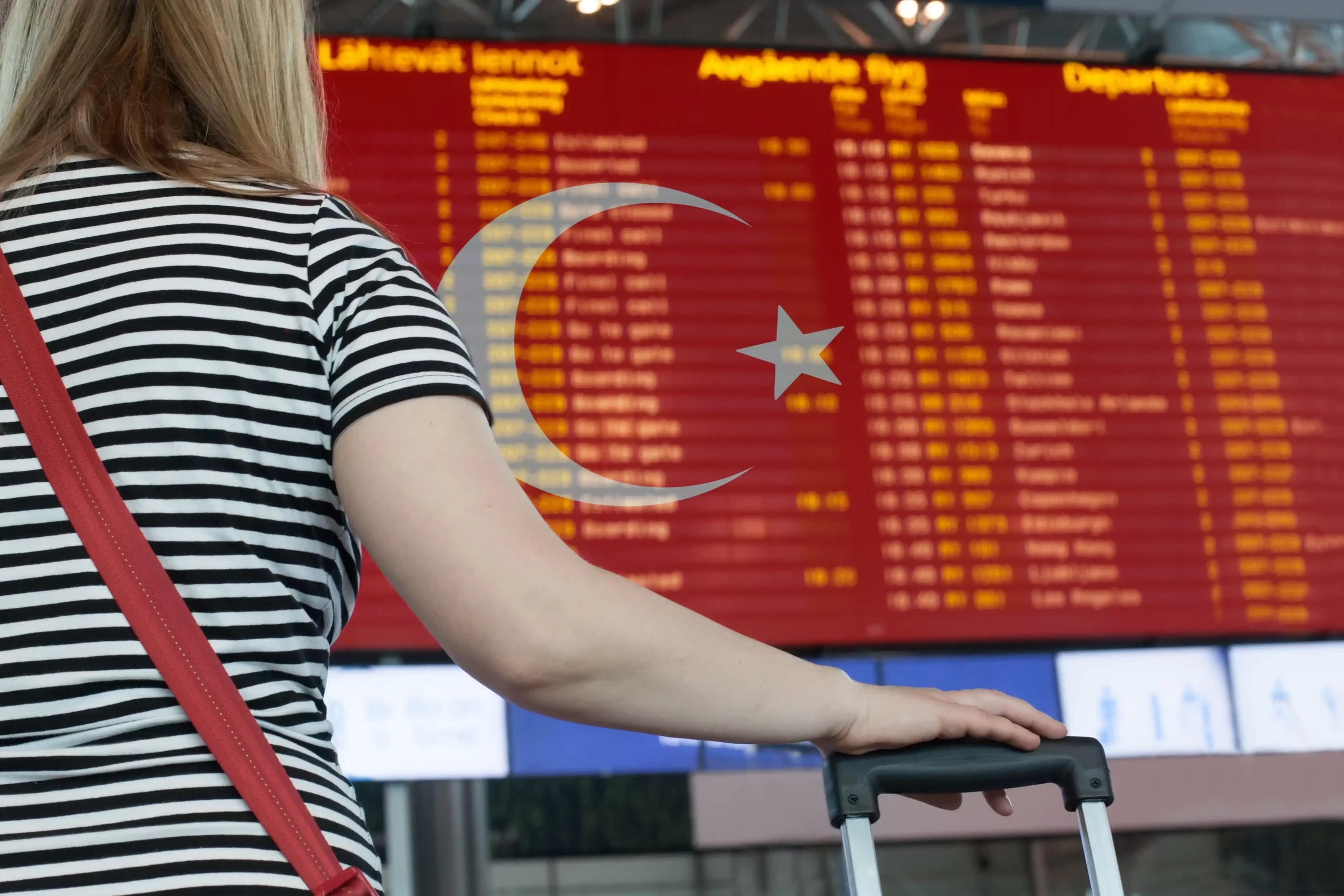




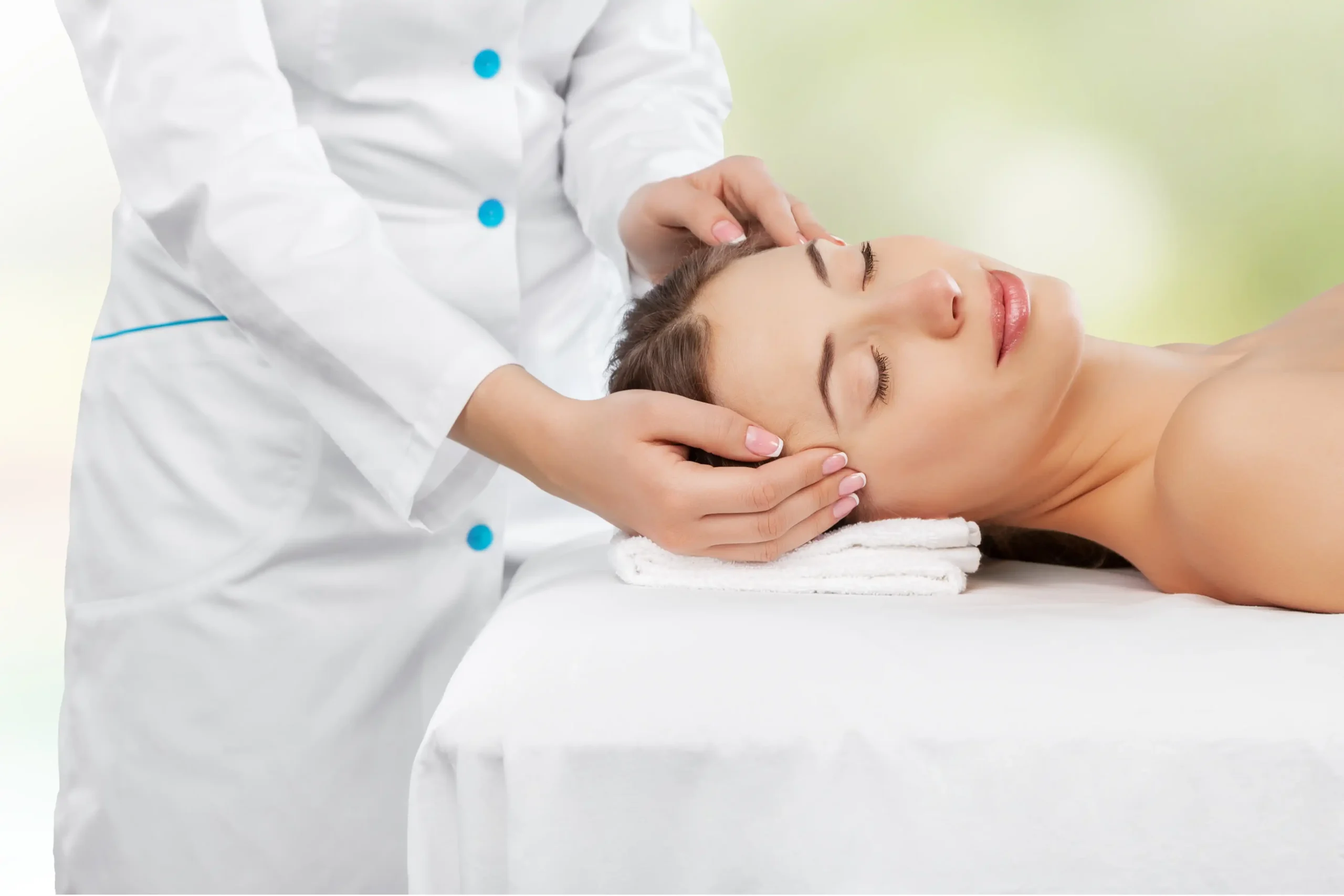
The global healthcare landscape has witnessed a profound transformation over the last decade, characterized by the decentralization of high-acuity medical services. Historically, the flow of patients for advanced aesthetic and reconstructive procedures moved from developing nations to Western hubs in the United States and Western Europe. However, recent economic data and patient mobility trends indicate a reversal of this flow. Turkey has emerged not merely as a participant but as a dominant hegemon in the medical tourism sector, particularly in the domains of aesthetic surgery, hair restoration, and advanced medical spa treatments.
The drivers of this shift are multifaceted. In the United Kingdom and the United States, patients face a “perfect storm” of prohibitive costs for elective procedures and, in the case of the UK’s NHS, significant wait times for treatments deemed non-essential. Conversely, Turkey has aggressively positioned itself as a destination that offers a “value-based” proposition—not simply lower costs, but a higher service-to-cost ratio. The market size for medical tourism in Turkey is estimated to reach billions in the coming years, with a projected trajectory representing a significant double-digit Compound Annual Growth Rate. This growth is not accidental; it is the result of strategic government investment in healthcare infrastructure, the accreditation of hospitals by international bodies, and a concerted effort to market Istanbul as a dual-purpose destination for health and leisure.
The Redefinition of the “Medical Spa”
In Western markets, the term “Medical Spa” or “MedSpa” typically denotes a facility offering non-invasive treatments like injectables and laser therapies, often divorced from major surgical interventions. The Turkish model, exemplified by facilitators such as Vitapera, has radically expanded this definition. In Turkey, the “Medical Spa” experience is a holistic ecosystem that integrates high-complexity surgical procedures (such as the “Mommy Makeover” or Hair Transplantation) with the pampering, logistical ease, and hospitality of a luxury spa resort.
This hybrid model addresses the entire continuum of patient needs. It encompasses Cosmetic Tourism, which focuses on aesthetic enhancement through surgery; Wellness Tourism, which emphasizes preventative health and relaxation; and Medical Tourism, which handles elective surgeries. By blurring the lines between a hospital admission and a hotel stay, Turkish clinics have successfully rebranded the recovery process—often the most daunting aspect of surgery—into a restorative “spa retreat.” This strategic convergence creates a unique market offering where a patient traveling for a Tummy Tuck does not view themselves merely as a surgical patient, but as a guest on a transformational journey.
The Vitapera Model: Institutionalizing the Patient Journey
The Role of the Health Tourism Facilitator
Navigating a foreign healthcare system presents significant friction for international patients, ranging from language barriers to logistical uncertainties. To mitigate these risks, the Turkish market has evolved the concept of the “Health Tourism Facilitator Institution.” Vitapera stands as a prime example of this operational model. Unlike a standalone clinic that may only provide medical services, a facilitator like Vitapera manages the entire end-to-end value chain of the patient experience.
The facilitator model is built on the premise of “All-Inclusive” care. This is a critical differentiator from the US/UK model, where costs are often fragmented—surgeons bill separately from anesthesiologists, and hospitals bill separately from overnight facilities. Vitapera bundles these costs into comprehensive packages that include surgeon fees, hospital accommodation, VIP transfers, and luxury hotel stays. This transparency eliminates the fear of hidden costs, a major psychological barrier for medical tourists.
Operational Infrastructure and Accreditation
The credibility of the facilitator model rests on the quality of the medical partners. Vitapera acts as a gateway to state-of-the-art hospitals, ensuring that patients are treated in facilities that meet rigorous international standards. The clinic partners exclusively with trusted hospitals and verified clinics that have obtained prestigious international accreditations, including JCI and ISO certifications. These certifications are not merely bureaucratic stamps; they validate that the clinical environment, sterilization protocols, and patient safety measures are equivalent to, or in some cases exceed, those found in Western Europe and North America.
The operational infrastructure extends beyond the operating theater. Vitapera employs a dedicated team of patient coordinators and companion translators who serve as the patient’s advocate throughout their stay. This human infrastructure is as vital as the physical one, ensuring that the “spa” experience is maintained even during clinical interactions. The seamless integration of medical excellence with logistical support defines the Vitapera standard, positioning it as a leader in the competitive Istanbul market.
Non-Surgical Rejuvenation: The Entry-Level Medical Spa
For many patients, the entry point into the world of Turkish medical aesthetics is non-surgical rejuvenation. These procedures offer significant aesthetic improvements with minimal downtime, serving as a gateway for patients who may later consider surgical options.
Advanced Injectables: Botulinum Toxin and Dermal Fillers
The administration of injectables in Turkey is characterized by the use of premium, FDA-approved brands at a fraction of Western prices.
Botulinum Toxin (Botox)
Botox remains the most requested non-surgical procedure globally, and Turkey is no exception. The mechanism involves the injection of botulinum toxin into specific facial muscles to temporarily paralyze them, thereby smoothing dynamic wrinkles caused by expression.
- Clinical Applications: Beyond the standard treatment of forehead lines and crow’s feet, Turkish clinics frequently employ advanced techniques such as the “Lip Flip,” “Masseter Botox” for jawline slimming, and preventative Botox for younger patients.
- Economic Analysis: The cost arbitrage is striking. In the US, Botox treatment can range significantly depending on the number of units and the provider’s prestige. In Turkey, utilizing the same brands, the cost for equivalent treatment starts at a fraction of that price. This price reduction allows patients to treat multiple areas or opt for higher dosage treatments that they might defer in their home countries due to cost.
Dermal Fillers and Volumization
As the face ages, it loses subcutaneous fat and collagen, leading to a “deflated” appearance. Dermal fillers, primarily hyaluronic acid-based, restore this lost volume.
- Strategic Use: Turkish aesthetic professionals are renowned for the “Liquid Facelift,” a technique that uses fillers to contour the cheeks, define the jawline, and plump the lips, effectively delaying the need for surgical intervention. Products used include industry leaders like Juvederm, Restylane, and Radiesse.
- Cost Dynamics: A syringe of high-quality filler in the UK or US represents a significant expense. In contrast, Turkish clinics offer the same volume for considerably less. This enables comprehensive full-face harmonization packages where a patient might receive multiple syringes for the price of one in New York or London.
Advanced Laser Therapies: CO2 Fractional Resurfacing
Laser skin resurfacing represents the bridge between injectables and surgery. It addresses skin texture, scarring, and deep pigmentation that needles cannot reach.
- Technology: The CO2 Fractional Laser is the gold standard in this category. It creates microscopic channels of thermal injury in the skin, stimulating a potent wound-healing response that generates new collagen and elastin.
- Indications: It is highly effective for acne scars, deep wrinkles, sun damage, and uneven skin tone.
- Market Position: In the US, a single CO2 laser session is a significant investment. Turkish clinics offer this sophisticated therapy for much less. This pricing structure makes it feasible for patients to undergo a series of treatments for optimal results, rather than a single session that might yield incomplete improvement.
Platelet-Rich Plasma (PRP) Therapy
PRP therapy aligns perfectly with the “wellness” aspect of the medical spa, utilizing the body’s own biological material for rejuvenation.
- Mechanism: The procedure involves drawing the patient’s blood, centrifuging it to concentrate the platelets, and injecting the plasma back into the target area. These platelets release growth factors that stimulate tissue repair and angiogenesis (new blood vessel formation).
- Applications:
- Hair Restoration: PRP is extensively used to stimulate dormant hair follicles, increase hair shaft thickness, and improve graft survival after transplants.
- Skin Rejuvenation: Often called the “Vampire Facial,” it improves skin texture and luminosity.
- Integration: At Vitapera, PRP is often included as a value-add in hair transplant packages, ensuring patients receive the highest standard of care without additional line-item costs.
Advanced Surgical Body Contouring: The “Spa” Makeover
The “Medical Spa” concept in Turkey reaches its apex with surgical body contouring. Here, the “spa” element refers to the curated recovery experience that accompanies major transformative surgeries.
The “Mommy Makeover”: A Comprehensive Restoration
The “Mommy Makeover” is a signature offering of the Turkish aesthetic market, addressing the physiological changes associated with pregnancy and breastfeeding.
- Procedural Components: It is a customizable combination of surgeries.
- Abdominoplasty (Tummy Tuck): Removes excess skin and tightens the rectus abdominis muscles (often separated due to diastasis recti) to restore a flat abdominal profile.
- Breast Surgery: Options include Breast Augmentation (implants), Breast Lift (Mastopexy) to correct sagging, or a combination of both.
- Liposuction: Targets stubborn fat deposits that resist diet and exercise.
- The Vitapera Advantage: Vitapera packages this extensive surgery with a recovery protocol that prioritizes comfort. The cost for a full Mommy Makeover in Turkey is significantly lower than in the US or UK. This stark difference allows patients to access top-tier surgeons and longer hospital stays for a fraction of the domestic price.
Vaser Liposuction and High-Definition Contouring
Liposuction in Turkey has evolved beyond simple fat removal to high-definition sculpting.
- Technology: Vaser (Vibration Amplification of Sound Energy at Resonance) Liposuction utilizes ultrasound technology to emulsify fat cells before suctioning. This selective energy preserves surrounding tissues (nerves, blood vessels), leading to reduced bruising, less pain, and faster recovery compared to traditional mechanical liposuction.
- Sculpting Focus: Unlike weight loss surgery, Vaser is designed for body contouring—defining the waist, etching abdominal muscles, and refining the silhouette.
- Post-Op Care: The recovery from Vaser is supported by lymphatic drainage massages, often integrated into the aftercare plan at the recovery hotel, further reinforcing the “spa” experience.
The Brazilian Butt Lift (BBL) and “Skinny BBL”
The BBL remains one of the most sought-after procedures, but trends are shifting towards more natural results.
- Procedure: It involves harvesting fat from donor areas (abdomen, flanks, back) via liposuction and reinjecting it into the gluteal region to enhance projection and shape.
- The “Skinny BBL”: A rising trend catering to patients who desire a subtle, athletic enhancement rather than exaggerated volume. This procedure focuses on reshaping the hips and buttocks to create a harmonious, proportionate silhouette.
- Safety Protocols: Turkish surgeons are at the forefront of BBL safety, utilizing ultrasound-guided injection techniques to ensure fat is placed in the subcutaneous plane (above the muscle) to avoid complications like fat embolism.
Facial Transformation and Preservation
Facial aesthetics in Turkey are renowned for their precision and the ability to achieve natural-looking results through both open and closed surgical techniques.
Rhinoplasty: The Art of Nasal Reshaping
Rhinoplasty is perhaps the most famous procedure associated with Turkish medical tourism, with Istanbul often cited as the “Rhinoplasty Capital of the World.”
- Functional and Aesthetic: Procedures address both the cosmetic appearance (hump removal, tip refinement) and functional issues (deviated septum, breathing difficulties).
- Techniques:
- Open Rhinoplasty: Involves a small incision on the columella, allowing full visibility of the nasal structure. Ideal for complex revisions or significant reshaping.
- Closed Rhinoplasty: All incisions are internal. This technique creates no visible scarring and typically has a shorter recovery time, suitable for less extensive modifications.
- Cost Benefit: A primary rhinoplasty in the UK or US can be prohibitively expensive. In Turkey, the price is drastically lower, including the full travel package.
Deep Plane Facelift
For comprehensive facial rejuvenation, the Deep Plane Facelift is the gold standard offered by clinics like Vitapera.
- Mechanism: Unlike traditional facelifts that tighten only the skin, the Deep Plane technique repositions the underlying muscle and connective tissue (SMAS layer).
- Longevity: This approach provides significantly longer-lasting results (10-15 years) and avoids the “wind-blown” look associated with skin-only lifts.
- Value: In the US, a Deep Plane Facelift is a premium procedure costing tens of thousands of dollars. In Turkey, patients can access this advanced surgical skill for a fraction of that cost.
Eyelid Surgery (Blepharoplasty)
Blepharoplasty is a high-impact procedure with relatively low downtime, making it a popular addition to other surgeries.
- Upper and Lower: It addresses drooping upper lids that can impair vision and “bags” under the eyes that create a tired appearance.
- Results: The result is a brighter, more alert gaze that significantly rejuvenates the overall facial expression.
Hair Restoration: The Turkish Flagship
Turkey’s dominance in the hair transplant sector is unrivaled. It is estimated that thousands of patients arrive in Istanbul daily solely for this procedure.
Advanced Techniques: FUE, Sapphire, and DHI
The industry has moved almost entirely away from the older “strip” (FUT) method to minimally invasive techniques.
- Follicular Unit Extraction (FUE): Individual hair follicles are harvested from the donor area (usually the back of the head) and implanted into the recipient area. This leaves no linear scar and allows for wearing short hair.
- Sapphire FUE: A refinement of FUE using blades made from sapphire gemstone rather than steel. These blades create smaller, cleaner micro-channels, reducing tissue trauma and speeding up healing.
- Direct Hair Implantation (DHI): Uses a specialized “Choi Implanter Pen” to implant follicles directly without creating pre-made channels. This allows for higher density and control over the angle of hair growth.
Clinical Efficacy and Survival Rates
Data supports the high efficacy of these modern techniques.
- Graft Survival: Studies indicate that graft survival rates are high, with successful outcomes in the vast majority of cases.
- Complication Profile: Complications are rare and generally minor (e.g., mild swelling or folliculitis). Life-threatening complications are virtually non-existent in accredited facilities.
- Scope: Vitapera also offers specialized transplants for beards, mustaches, and eyebrows, catering to a diverse range of aesthetic needs.
Obesity and Metabolic Surgery: The Foundation of Wellness
For many patients, aesthetic concerns are secondary to the health challenges of obesity. Turkish clinics have integrated metabolic surgery into their wellness offerings, recognizing weight loss as the first step in a total transformation.
Surgical Interventions
- Gastric Sleeve (Sleeve Gastrectomy): The most common bariatric procedure. It involves removing approximately 80% of the stomach, leaving a banana-shaped “sleeve.” This restricts food intake and reduces hunger hormones.
- Gastric Bypass: Involves creating a small stomach pouch and bypassing a portion of the small intestine. It is highly effective for significant weight loss and resolving metabolic conditions.
Non-Surgical Options
- Gastric Balloon: A non-surgical alternative where a silicone balloon is placed in the stomach via endoscopy. It takes up space, promoting early satiety. This is an ideal option for patients who do not qualify for or do not want surgery.
Health Outcomes
The benefits of these procedures extend far beyond aesthetics. Scientific research demonstrates that bariatric surgery leads to a significant reduction in BMI over 10 years and high remission rates for Type 2 diabetes, hypertension, and dyslipidemia. This positions these surgeries as life-saving medical interventions that also offer profound lifestyle benefits.
The Economic Imperative: Cost Benefit Analysis
The disparity in pricing between Turkey and Western markets is the single most powerful driver of medical tourism. However, it is crucial to understand that this price difference is driven by macroeconomic factors—labor costs, exchange rates, and cost of living—rather than a reduction in medical quality.
Comparative Price Analysis
The economic advantage for international patients is substantial across all major procedures. For a standard Rhinoplasty, often costing between £4,000 and £9,000 in the United Kingdom or up to $20,000 in the United States, patients in Turkey can expect to pay between $1,500 and $6,000. This represents a savings of approximately 50% to 70%.
Similarly, for comprehensive anti-aging procedures like a Facelift, which can command prices from $15,000 to $25,000 in Western markets, Turkish clinics typically charge between $3,000 and $7,500, offering savings of nearly 80% in some cases. The “Mommy Makeover,” one of the most complex and expensive combination surgeries, can cost upwards of $35,000 in the US and £20,000 in the UK. In Turkey, facilitated by clinics like Vitapera, this procedure ranges from $6,750 to $15,000.
Even for less invasive body contouring like Liposuction, the price differential is stark, with Turkish prices hovering between $1,200 and $3,000 compared to $4,000 to $8,000 in the US.
Non-Surgical Treatment Economics
The savings extend to non-surgical treatments, allowing patients to maximize the value of their trip by “stacking” procedures. Botox treatments, which are priced per unit or area, can cost $350 to $800 in the US or UK but are available for approximately $138 to $345 in Turkey using identical premium brands. Dermal fillers show a similar trend, with prices in Turkey ranging from $300 to $600 per syringe, compared to $600 to $1,500 in Western clinics. Advanced skin resurfacing with CO2 lasers, a premium service in the West costing thousands of dollars per session, is accessible in Turkey for $800 to $1,400.
The Macroeconomic Context
The Turkish Lira’s valuation against the US Dollar and British Pound creates immense purchasing power for foreign patients. Furthermore, the operational costs for running a clinic (rent, utilities, staff salaries) are significantly lower in Istanbul than in London or New York. This allows Turkish clinics to invest heavily in the latest technology and luxury facilities while still charging lower prices to the end consumer.
The Patient Logistics Ecosystem: The Vitapera Standard
The distinction between a “clinic” and a “health tourism facilitator” is the level of logistical support provided. Vitapera’s model is designed to remove every friction point from the patient journey.
The All-Inclusive Package: A Zero-Surprise Model
Vitapera’s offerings are structured as comprehensive packages. This approach is critical for international patients who need certainty regarding their total expenditure. A typical package includes:
- Medical Costs: Surgeon fees, anesthesia, OR charges, and all pre-operative testing and medication.
- Accommodation:
- Hospital: 2 nights of inpatient care for major surgeries to ensuring 24/7 monitoring.
- Hotel: 5 nights of recovery in a 4 or 5-star hotel (e.g., Villa Pera Suite Hotel or comparable luxury partners).
- Transport: A dedicated VIP transfer fleet handles all movements—Airport to Hotel, Hotel to Clinic, Clinic to Airport.
- Support Staff: A personal “Patient Host” or interpreter is assigned to each patient to handle translation and logistical queries.
- Aftercare: A 1-year follow-up program is standard, ensuring long-term monitoring of results.
The Pre-Arrival Process
The journey begins long before the flight to Istanbul. Patients engage in remote consultations where they submit medical history and photos. A tailored treatment plan is developed by the surgical team, and a fixed price quote is provided. This phase allows the patient to build rapport with the medical team and clarifies realistic expectations.
Arrival and Logistics
Upon landing at Istanbul Airport (IST)—a world-class aviation hub—patients are greeted by Vitapera staff. The airport itself is designed for medical tourism, with dedicated infrastructure to assist patients with mobility needs. The VIP transfer service whisks patients directly to their hotel or the clinic, bypassing the complexity of navigating a new city.
The Destination Experience: Istanbul as a Recovery Sanctuary
The “tourism” component of medical tourism is not an afterthought; it is integral to the healing process. The environment in which a patient recovers significantly impacts their psychological state.
Nişantaşı: The Paris of Istanbul
Vitapera operates in proximity to Nişantaşı, Istanbul’s most prestigious and fashionable district. This area is far removed from the chaotic hustle often associated with major cities; it is an enclave of sophistication.
- Luxury Retail: The streets are lined with global luxury brands like Chanel, Prada, and Louis Vuitton, as well as high-end local boutiques.
- Dining and Leisure: The district is teeming with European-style cafes and fine dining restaurants. Places like the City’s Nisantasi Shopping Centre offer a curated shopping and dining experience.
- Atmosphere: The elegant architecture, tree-lined avenues, and vibrant street life provide a stimulating yet relaxing environment for patients once they are mobile enough to take light walks.
Recovery Activities
Recovery does not mean confinement. Once cleared by the surgeon, patients are encouraged to engage in gentle activities that promote circulation and mental well-being.
- Cultural Immersion: Short visits to historical sites like the Blue Mosque or Topkapi Palace can be arranged.
- Gastronomy: Exploring the local culinary scene, from traditional Turkish breakfasts to fresh seafood, adds a layer of enjoyment to the trip.
- Spa Services: Many partner hotels offer spa facilities where companions can relax, and patients can receive approved treatments.
Clinical Safety, Risk Management, and Regulatory Framework
While the allure of luxury and low cost is strong, safety remains the paramount concern. The Turkish healthcare system is rigorously regulated to maintain its status as a global medical hub.
International Accreditation
Vitapera partners with hospitals that hold accreditation from the Joint Commission International (JCI). JCI accreditation is the gold standard in global healthcare, signifying that a hospital meets strict US-based standards for patient safety, infection control, and care quality. Turkey boasts one of the highest numbers of JCI-accredited hospitals in the world, a testament to its commitment to quality.
Managing Complications
Complications can occur in any surgery, anywhere in the world. However, data indicates that the complication rate in Turkish medical tourism is low.
- Safety Data: Studies of thousands of procedures have found low complication rates, with systemic issues being extremely rare.
- Protocols: Accredited hospitals have robust protocols for managing emergencies. The 2-night hospital stay standard for major surgeries (vs. outpatient in the US) ensures that any immediate post-op issues are caught and treated instantly by medical professionals.
Hair Transplant Safety
Specifically for hair transplants, studies show that modern FUE techniques have minimized risks significantly. Complications like necrosis or severe infection are extremely rare (less than 1%) when performed by experienced teams in sterile environments.
Patient Psychology and Post-Operative Adaptation
The transformation offered by clinics like Vitapera is not just physical; it is deeply psychological.
The Emotional Journey
Undergoing aesthetic surgery is an emotional milestone. Patients often report a profound boost in self-esteem and body image following procedures like the Mommy Makeover or Hair Transplant. This aligns with research showing that aesthetic surgery can resolve distress related to appearance and improve overall quality of life.
Overcoming Barriers
Common fears include the language barrier and the fear of the unknown. Vitapera addresses this through:
- Companion Translators: Ensuring patients are never unable to communicate their needs.
- Testimonials: Sharing real patient stories and “before and after” galleries helps prospective patients visualize their own journey and builds trust.
- Community: The sheer volume of international patients means that one is rarely the only foreigner in the waiting room, creating a sense of community and shared experience.
Future Outlook and Conclusion
The trajectory of the Turkish medical spa and aesthetic surgery market points towards continued growth and sophistication. As the market matures, the definition of “Medical Spa” will likely expand further to include genetic wellness profiling, advanced anti-aging therapies, and even more integrated luxury travel experiences.
Conclusion
Turkey has successfully disrupted the global aesthetic medicine market by proving that high quality and affordability are not mutually exclusive. Through the facilitator model exemplified by Vitapera, patients from the UK and USA can access world-class treatments—from non-surgical injectables to complex surgical reconstructions—in an environment that prioritizes their comfort and dignity.
For the prospective patient, the value proposition is undeniable. It is an opportunity to receive the same or better clinical care than is available domestically, at a fraction of the cost, while enjoying a level of service and hospitality that turns a medical procedure into a restorative journey. Whether seeking to restore a hairline, contour the body, or simply rejuvenate the skin, the Turkish medical spa ecosystem offers a compelling, safe, and transformative solution.
Recommendations for Prospective Patients
- verify Credentials: Always confirm that the surgeon and facility are accredited (JCI/ISO).
- Utilize Facilitators: Engage with established facilitators like Vitapera to ensure all logistics (transfers, hotels, translators) are professionally managed.
- Plan for Recovery: Take advantage of the 5-night hotel stay included in packages to rest and recover before flying.
- Embrace the Destination: View the trip as a holistic wellness break, enjoying the culture and atmosphere of Istanbul as part of the healing process.