





Diastasis Recti: A Comprehensive Clinical Perspective
Defining the Condition and Abdominoplasty
Diastasis recti is a common physical change that affects the anterior abdominal wall, particularly in women following pregnancy. The condition is clinically defined as a separation of the left and right sides of the rectus abdominis muscles—often referred to as the “six-pack” muscles—at the midline of the abdomen. This is not a tear in the muscle itself but rather a widening and thinning of the linea alba, a band of connective tissue that runs vertically down the midline and connects the rectus abdominis muscles. The resulting increase in the inter-rectus distance (IRD) can manifest as a midline abdominal bulge, often colloquially known as a “mommy pooch”. This bulge may be more noticeable when the rectus muscles are contracted, such as when a person tries to sit up or strain. While most often associated with pregnancy, diastasis recti can also occur in obese patients and individuals who have had previous abdominal surgeries.
The Functional and Physical Impact: Beyond Aesthetics
The effects of diastasis recti extend far beyond aesthetic concerns, impacting core strength, mobility, and overall physical health. The primary functional consequence is a significantly weakened core, which compromises the body’s ability to stabilize during movement. This instability can make everyday tasks such as lifting a child, twisting, or bending challenging and potentially risky.
A weakened core also places an immense and often chronic strain on the back muscles, leading to persistent lower back and pelvic pain. The altered alignment of the spine and pelvis that can result from this lack of core support may also contribute to poor posture. While it is a common condition, diastasis recti is not a benign one; if left unaddressed, it can lead to further functional issues and discomfort.
A complex and often-debated relationship exists between diastasis recti and pelvic floor dysfunction. Clinical observations suggest a high prevalence of conditions such as urinary incontinence (UI), fecal incontinence, and pelvic organ prolapse in individuals with diastasis recti. The abdominal wall and the pelvic floor are interconnected components of the core system, working in concert to stabilize the body. When the structural integrity of the abdominal wall is compromised by diastasis recti, it can lead to a compensatory overloading of the pelvic floor. This can, in turn, exacerbate or contribute to the development of pelvic floor issues. While some evidence is not conclusive regarding a direct causal link between diastasis recti and certain conditions like UI or back pain, the fundamental principle remains that restoring the structural integrity of the abdominal wall can significantly improve overall core function and alleviate associated symptoms. This perspective shifts the discussion of abdominoplasty from a purely aesthetic “tummy tuck” to a reconstructive procedure that addresses a legitimate medical and functional condition.
Non-Surgical Management: A First-Line, Limited Approach
For many individuals, non-surgical management is a viable first-line approach to addressing the symptoms of diastasis recti. Physical therapy, in particular, is widely recommended and can provide substantial benefits. A physical therapist can teach targeted exercises, such as pelvic tilts and core bracing, that focus on strengthening the deep core muscles, especially the transverse abdominis. These exercises are designed to improve core stability and function, which can help to reduce the size of the abdominal bulge and alleviate related pain.
However, non-surgical approaches have distinct limitations. While they can improve core strength and help manage symptoms, they cannot physically repair the widened connective tissue of the linea alba. For individuals with a severe separation, exercise alone may not be effective. It is also critical to understand that many traditional core exercises can actually worsen the condition. Movements that cause excessive intra-abdominal pressure, such as crunches, sit-ups, and full planks, can force the abdominal muscles to bulge forward, potentially causing further separation. A core part of non-surgical management is learning which exercises to avoid and how to modify others to avoid doming or coning of the abdominal wall. The key takeaway is that physical therapy can effectively improve core function, but a permanent, anatomical repair of the abdominal wall requires surgical intervention.
Abdominoplasty and Tummy Tuck
The Surgical Solution: A Gold Standard for Diastasis Recti
Abdominoplasty, commonly known as a tummy tuck, is a highly effective surgical procedure that addresses the aesthetic and functional issues of the abdomen that often remain after pregnancy. It is considered the gold standard for correcting severe diastasis recti because it is the only method that can physically and permanently repair the abdominal muscle separation.
The procedure is a comprehensive process that begins with a thorough pre-surgical consultation where a surgeon reviews the patient’s medical history and aesthetic goals. On the day of the surgery, general anesthesia is typically administered to ensure patient comfort and safety, although a combination of local anesthesia and intravenous sedation may be an option.
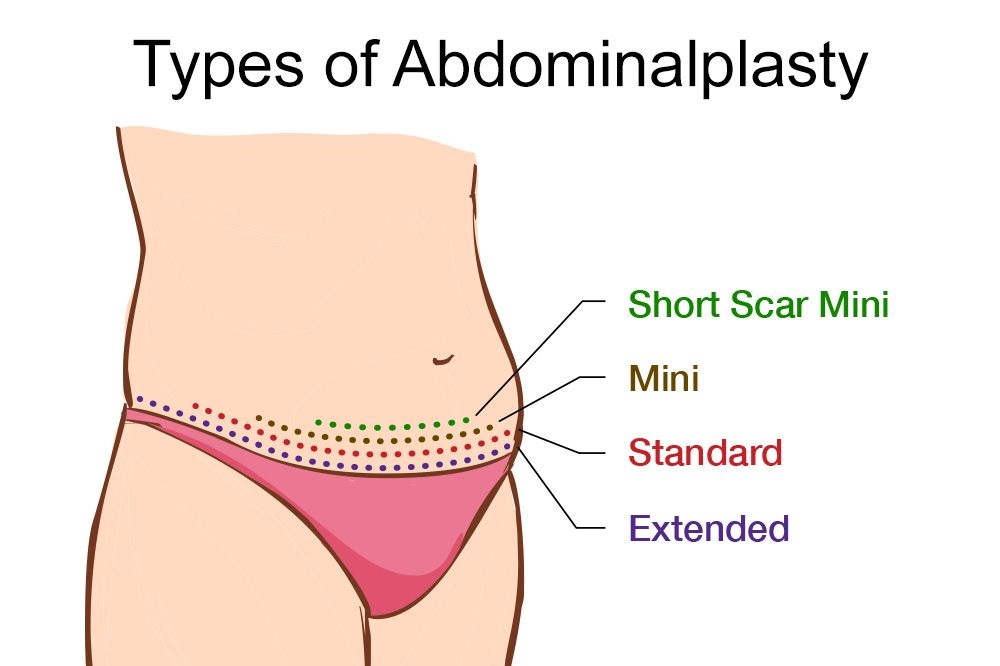
The surgical steps are meticulous and precise. A low, horizontal incision is made just above the pubic area, strategically placed to be concealed by underwear or a bathing suit. For a full abdominoplasty, an additional incision is created around the belly button. The surgeon then lifts the abdominal skin and underlying tissues to expose the rectus abdominis muscles and the linea alba.
The most critical step of the procedure for diastasis recti is the muscle repair, also known as plication. The surgeon meticulously sutures the weakened connective tissue to pull the separated muscles back together. This restores the structural integrity of the abdominal wall, creating a flatter, firmer abdominal contour and a smaller, more defined waistline. After the muscle repair is complete, the surgeon pulls the upper abdominal skin downward, excising any excess skin and fat that remains. The belly button is then repositioned and secured in its new, more youthful location. Finally, the incisions are closed with sutures, and surgical drains may be used to remove any fluid buildup.
The Dual Outcomes: Functional and Aesthetic
The outcomes of an abdominoplasty are both profoundly functional and aesthetically transformative. From a functional standpoint, the procedure directly corrects the core weakness associated with diastasis recti by repairing the muscle separation and reinforcing the abdominal wall. By restoring core strength and stability, abdominoplasty can improve functional impairments and may help alleviate chronic issues such as back pain and urinary incontinence.
Aesthetically, the transformation is significant and, with proper care, enduring. The procedure removes excess skin and fat from the lower abdomen and can eliminate most of the stretch marks that develop in this area during pregnancy. The muscle repair creates a flatter and more toned abdominal profile, which cannot be achieved through diet and exercise alone. The final result is a more contoured midsection that can lead to increased self-confidence and a more positive body image. The long-term success of the aesthetic outcomes is highly dependent on maintaining a stable weight after the procedure, as significant fluctuations can compromise the results.
Liposuction and Vaser Liposuction

What Liposuction Adds to the Abdominoplasty Process
While abdominoplasty is highly effective for tightening the abdominal muscles and removing excess skin, it may not address stubborn, localized fat deposits that remain on the flanks, hips, or other areas. Liposuction is a complementary body sculpting procedure designed to remove these pockets of fat that are often resistant to diet and exercise.
Combining liposuction with abdominoplasty provides a more comprehensive and holistic transformation. By strategically removing fat from the entire midsection, the surgeon can create a more refined and contoured appearance, addressing the full circumference of the trunk in a “360-degree” approach. The abdominoplasty provides the foundational tightening and flattening, while liposuction adds the artistic refinement of a sculpted waistline and hips. The combined approach offers a superior, more balanced aesthetic outcome that cannot be achieved with either procedure alone.
VASER Liposuction: The Next-Generation Advantage
For enhanced results, many surgeons utilize VASER liposuction, an advanced technique that represents a significant evolution from traditional liposuction. VASER, which stands for Vibration Amplification of Sound Energy at Resonance, employs targeted ultrasound energy to first liquefy fat cells before they are gently suctioned out. This stands in contrast to conventional liposuction, which relies on more manual physical agitation to dislodge and remove fat.
The VASER technique offers several key advantages. Its ability to selectively target fat cells while preserving surrounding tissues, such as nerves, blood vessels, and connective tissue, results in significantly less tissue trauma. This reduced damage leads to less post-operative pain, bruising, and swelling, translating into a quicker, more comfortable recovery period. VASER liposuction also offers the unique benefit of promoting skin tightening. The ultrasound energy stimulates collagen production, which helps to firm and tighten the skin in the treated areas, an especially valuable feature for post-pregnancy patients who may have loose skin. This precision makes it ideal for delicate areas and for creating high-definition contours.
Table 1: Conventional vs. VASER Liposuction
| Feature | Conventional Liposuction | VASER Liposuction |
| Method of Fat Removal | Manual agitation and suction | Ultrasound energy liquefies fat before suction |
| Tissue Impact | Higher risk of tissue damage and bleeding | Minimally invasive, preserves surrounding tissue |
| Recovery Time | Longer, often 10+ days of downtime | Quicker, often 4-7 days of downtime |
| Skin Tightening | Minimal to none | Promotes collagen production for tightening |
| Contouring Precision | Suitable for larger-scale fat removal | Ideal for precise sculpting and delicate areas |
Post-Pregnancy Breast Augmentation
The Importance of Timing: A Clinically-Informed Decision
For post-pregnancy breast augmentation, the timing of the procedure is a crucial consideration for achieving optimal and long-lasting results. Medical professionals typically recommend that a patient wait at least six months after childbirth or a minimum of six months after ceasing breastfeeding before undergoing the procedure.
The rationale for this waiting period is twofold. First, it allows the body to fully recover and stabilize from the significant hormonal and physical changes that occur during pregnancy and lactation. The breasts, in particular, undergo dramatic changes in volume and shape. Allowing a sufficient period for the breast tissue to return to a baseline state is essential for a surgeon to accurately assess the final breast size, shape, and skin elasticity. Rushing the procedure could lead to less than ideal or temporary results, as the breast tissue may continue to change after the surgery.
Addressing Post-Pregnancy Changes
Pregnancy and breastfeeding can cause the breast skin envelope to stretch and lose volume, resulting in breasts that appear deflated or have a flattened shape. Breast augmentation is a highly effective procedure for restoring fullness, size, and symmetry. The procedure involves the insertion of either saline or silicone breast implants to achieve the desired shape and contour.
In many cases, breast augmentation is combined with a breast lift, a procedure known as mastopexy. A breast lift can address sagging and reposition the nipple and areola to a more youthful and natural height. The combined procedure provides a comprehensive solution for rejuvenating the breasts and restoring the patient’s pre-pregnancy silhouette.
A Comprehensive “Mommy Makeover”
Defining the Mommy Makeover: A Tailored Approach
A Mommy Makeover is not a singular surgical procedure but a highly personalized and comprehensive treatment plan that combines multiple surgeries into one tailored session. It is designed to address the most common physical changes resulting from pregnancy and childbirth, most often including a tummy tuck and breast augmentation or a breast lift, frequently complemented by liposuction.
The decision to combine these procedures offers several significant advantages. The most obvious benefit is a single recovery period, which minimizes the patient’s total downtime away from work, family life, and daily routines. It also means that the patient undergoes only one instance of anesthesia, which can lead to a smoother healing journey. Additionally, combination surgery can be more cost-effective than undergoing each procedure separately, as patients save on facility fees, anesthesia costs, and other related expenses.
Perhaps the most compelling advantage is the enhanced and harmonious result that can be achieved through this synergistic approach. By addressing the abdomen and breasts simultaneously, a surgeon can ensure that the patient’s body contours are balanced and proportionate, creating a cohesive and aesthetically pleasing figure that is difficult to achieve with a piecemeal approach.
The Psychological and Emotional Journey: Regaining Identity
Beyond the physical transformation, the emotional and psychological benefits of a Mommy Makeover are profound and deeply personal. For many women, the physical changes brought on by motherhood can lead to feelings of self-consciousness and a negative body image, impacting their self-esteem and mental well-being. A Mommy Makeover addresses these changes that are often resistant to diet and exercise, helping women regain a positive perception of their bodies and feel more confident in their own skin.
The procedure can be a powerful step toward reclaiming a sense of self and identity that some women feel is lost after becoming a mother. By restoring a physique that aligns with how they feel inside, a Mommy Makeover can lead to a greater sense of empowerment and control over one’s personal well-being. This renewed confidence can positively impact mental health, leading to a reduction in symptoms of anxiety and depression. Furthermore, feeling more comfortable with one’s body can strengthen relationships with partners, family, and friends, leading to more fulfilling and enriching interactions.
Recovery and Maintaining Long-Term Results
A Detailed Recovery Timeline
The recovery from a Mommy Makeover is a comprehensive process that requires patience and adherence to post-operative instructions for optimal results. While a combined procedure offers a single recovery period, it is a significant surgery that demands a dedicated recovery period.
The initial downtime, typically the first one to two weeks, is the most critical phase. During this time, patients should expect significant swelling, bruising, and a feeling of tightness in the treated areas. Rest is paramount, but light walking is encouraged from the first day to promote circulation and prevent blood clots. A compression garment is required to help manage swelling and provide support to the healing tissues. Patients may need assistance with daily tasks, especially for the first few days.
During the next phase, from two to six weeks post-surgery, most patients feel mobile enough to resume light activities and return to work, especially if they have a sedentary job. Short walks can be extended, but strenuous activity, heavy lifting, and core-intensive workouts must be avoided. The final results will become progressively more visible over the long-term healing period, which can take three to six months or more. It is important to note that residual swelling may persist during this time, and incision scars can take a year or more to fully mature and fade.
Table 2: Mommy Makeover Recovery Timeline
| Timeframe | Expected Physical Sensations & Key Activities | Mobility & Activity Level |
| First 24-48 hours | Pain, tightness, bruising, and swelling. Patient is monitored by medical team. | Assisted walking to prevent blood clots is encouraged. |
| First Week | Discomfort managed with pain medication. Rest is essential. Follow post-op instructions for wound care. Wear compression garment. | Light walking around the house is encouraged. Patient may need assistance for daily tasks. |
| Weeks 2-4 | Swelling and bruising begin to subside. Patients may transition to over-the-counter pain relievers. | Most patients can return to a sedentary job. Short walks in the neighborhood are safe. Avoid strenuous activity. |
| Weeks 4-6 | Continuing reduction of swelling. The abdominal contour becomes more apparent. | Strenuous exercise, heavy lifting, and core-intensive workouts should be avoided. |
| Months 3-6 | Final results become progressively visible as residual swelling subsides. Incision lines start to fade. | Most normal activities can be resumed, with care. Patients can typically return to core-intensive workouts at this point. |
| Long-Term | Swelling is fully resolved, and results are stable. Incision scars continue to mature and fade, which can take up to a year or more. | Regular exercise and a healthy lifestyle are key to maintaining long-term results. |
The Commitment to Long-Term Success
The enduring success of an abdominoplasty and Mommy Makeover procedures hinges on a commitment to a healthy lifestyle. It is crucial for patients to maintain a stable weight before and after the surgery, as significant weight fluctuations can stretch the remaining skin and compromise the results of the procedure. The fat cells that are removed are gone for good, but subsequent weight gain will be distributed across the remaining fat cells in the body and can affect the sculpted outcome.
A healthy diet and regular exercise are also essential for long-term maintenance of the results. Adhering to a regimen that includes nutrient-rich foods, proper hydration, and avoiding smoking and excessive alcohol consumption is critical for supporting healing and maintaining skin health.
Are You a Candidate? Key Considerations with Vitapera
A thorough consultation with a board-certified plastic surgeon is the first and most crucial step for anyone considering these procedures. An ideal candidate is in good overall health, at or near a stable, ideal weight, and is a non-smoker. From a psychological standpoint, candidates should have realistic expectations about the outcomes and a strong commitment to the post-operative care plan to ensure a smooth recovery and high satisfaction with the results. Our specialized surgeon at Vitapera will evaluate the patient’s medical history and current health status to ensure their safety and well-being throughout the entire process. We got you from the moment you arrive to the hotel to the procedure to the post recovery trip. Welcome in advance to Turkey.






