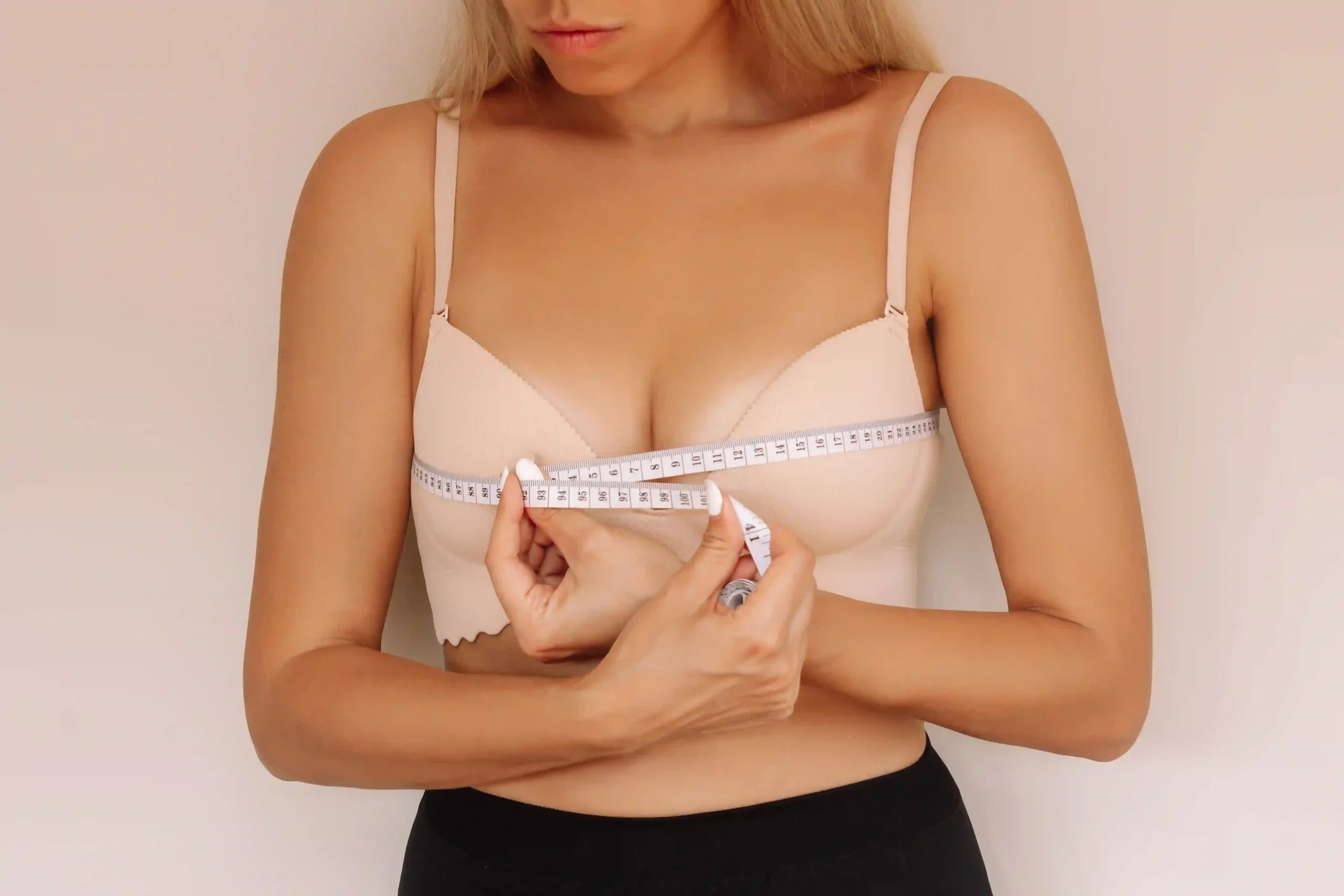





Undergoing a body-contouring surgery like liposuction, a tummy tuck (abdominoplasty), or a mommy makeover can be life-changing. As your body heals, many surgeons recommend wearing a corset-like compression garment or binder. These support garments aren’t just for fashion – they play a key role in your recovery. Let’s dive deep into why and how to wear them, timelines, benefits (like reducing swelling and improving contour), and what to watch out for so you heal safely and get the best results.
Why Use a Corset or Compression Garment After Surgery?
After any plastic surgery, your body responds with swelling (fluid buildup), bruising, and vulnerable tissues under the skin. Wearing a tight-fitting support garment – often called a corset in casual terms, though it may actually be a compression girdle or binder – helps in many ways:
Reduces Swelling: Gentle, uniform pressure prevents excess fluid from pooling under the skin. By pressing tissues together, fluid is reabsorbed more efficiently, so swelling goes down faster. This means you heal sooner and with less discomfort. In fact, research and surgeons agree that one of the top benefits of postoperative compression is limiting swelling, which speeds up overall healing and results.
Minimizes Bruising and Bleeding: The compression helps seal off tiny blood vessels disrupted during surgery. This can reduce bruising and the risk of a hematoma (an internal blood collection). Constant pressure stabilizes tissues so less blood seeps into the skin.
Supports Tissues and Muscles: For surgeries like a tummy tuck where abdominal muscles are stitched tighter, a firm binder acts like a second skin. It supports the repaired muscles and tissues, reducing pain especially when you move, cough or stand. This support also safeguards delicate stitches and prevents strain on the surgical site
Improves Contour and Skin Retraction: After removing fat or excess skin, compression garments help the skin “shrink-wrap” to your new shape. They hold soft tissues firmly against your body so the skin can retract smoothly, reducing loose skin or irregularities. This means better contour and a smoother look as you heal.
Enhances Comfort and Posture: Wearing a snug garment can actually feel comforting. It supports your back and core, improving posture while you heal. Many patients report that the gentle pressure eases pain when they sit up or move. It also reminds you to move carefully, preventing sudden twists. Although it might seem restrictive at first, most people find compression garments soothing after surgery.
Promotes Better Circulation (Lower Risk of Clots): After surgery, you may move less. Compression garments gently encourage blood flow in the operated area, which can help reduce clot risk (though remaining active is also vital). Good circulation brings oxygen and nutrients to healing tissues.
May Reduce Infection Risk: By supporting and protecting the area, a clean compression garment can also act as a shield over incisions (when appropriately designed). Limiting swelling and improving circulation can indirectly lower infection risk, though always keep the garment clean to avoid irritation.
In short, the right post-op corset or garment helps you heal faster and look better. Your surgeon won’t suggest it lightly – wearing it exactly as directed is one of the best things you can do for your recovery.

Corsets and Compression After Liposuction
Liposuction removes fat through tiny incisions. Wherever fat is suctioned out (abdomen, flanks, thighs, arms), the underlying tissues suddenly have empty spaces. Compression helps those tissues settle back smoothly against the body.
Why Wear It: As soon as liposuction is finished, surgeons usually place you in a compression garment in the OR. This holds the treated areas tightly so loose skin and underlying tissues adhere to the new contours. It also prevents fluid from collecting, which controls swelling and bruising. Think of it like a gentle hug around the body – it stabilizes the tissues and shapes them as you heal.
Types of Garments: For liposuction, the support might be a one-piece bodysuit, separate compression shorts or leggings, or a firm girdle. If multiple areas were treated, you may wear several pieces (for example, a high-waist shorts garment plus a vest). Some prefer short “corset-like” panels around the tummy, others get full-length suits. The key is that the garment covers all areas liposuctioned, providing even pressure.
Recommended Timeline: Generally, plastic surgeons advise wearing liposuction compression garments day and night for at least 2–4 weeks, often longer if swelling persists. Many patients end up wearing them 24/7 (except shower time) for 4–6 weeks, then taper. After that, you might wear them only during exercise or at night for a few more weeks. The exact time depends on how much tissue was removed and how quickly your body heals. For example:
After Minor Lipo: If just a small area was treated, 2–3 weeks full-time may suffice.
After Extensive Lipo (360° body contouring): Many surgeons want compression for 6 weeks full-time, then nights up to 3 months total.
Healing Progress: Once swelling is mostly gone, you should be refitted to a smaller garment for continued support.
Benefits: Apart from reducing swelling, a compression garment after lipo improves final contour. Without it, loose skin might sag or fluid could re-collect, leading to lumps or unevenness. Compression also makes moving and exercising easier as you recover – it holds everything in place when you walk or do light activity.
Other Tips: Wear the garment for at least 30 minutes before getting up after lying down, and put it back on right after showering. You can remove it briefly to wash, but put it back on as soon as you dry off. Some surgeons and clinics (like Vitapera in Turkey) strongly recommend wearing the garment even during workouts (like gentle walking or stationary bike) to keep circulation flowing and ensure tissues stay compressed.
Remember, a well-fitting, medical-grade garment is crucial. It should be snug – you may need assistance to zip or hook it – but it must never be so tight that you can’t breathe or feel numbness. If it feels too loose as swelling goes down, ask to be refitted.
Corsets and Binders After a Tummy Tuck (Abdominoplasty)
A tummy tuck is a more invasive surgery. It involves removing excess belly skin and tightening the underlying muscles. Because of this, support garments (often called abdominal binders or “corsets” in casual talk) are very important.
Why Wear a Binder: After a tummy tuck, the abdominal wall has been surgically repaired and there is often a large raw surface area under the skin. An abdominal binder keeps the incision and muscles secure, supports the core, and helps the skin settle into its new position. It also pushes down on any swelling fluid (seromas), so less fluid builds up under the skin. The “corset effect” helps your waistline look smoother and gives a defined shape even while you’re healing. In essence, it holds together the muscles and skin just like a real corset would, but in a gentle, adjustable way.
Types of Corset/Binder: Many patients use a wide velcro wrap-around binder with adjustable panels (a three-piece binder is common). Others use a full high-waist compression garment like a girdle or “faja” that covers hips to under-bust. Both are effective – binders allow easy loosening (for comfort) and are often comfortable to sleep in, whereas full garments distribute pressure all around the torso. Your surgeon will usually recommend a specific style; sometimes they even provide a binder right after surgery.
Recommended Timeline: Typically, tummy tuck patients wear their corset 24/7 for about 4–6 weeks. Many surgeons say at least 6 weeks of full-time wear. For example, Vitapera’s recovery guidelines note that abdominal binders are often used for “2–6 weeks” after abdominoplasty. After the first 4–6 weeks, you may be allowed to wear it only part-time (for example, nights or during workouts) for another few weeks. Some sag concerns are resolved in 2–3 months, and light compression (especially at night) is sometimes recommended up to 3 months total.
Movement and Comfort: The binder supports you when you walk and sit up – you’ll notice you can move with less pain because the corset holds your core firm. Many surgeons advise walking bent slightly at the waist initially (so as not to stretch the sutures) and say you can stand fully upright after about a week while still wearing the binder. Eventually, as you get stronger and the muscles heal, you can go back to standing straight comfortably (usually by 2 weeks). Throughout this time, the binder is your best friend: it keeps everything in place whether you’re getting in/out of bed or traveling by car.
Additional Considerations: If your tummy tuck was part of a mommy makeover (see below), you’ll often wear the abdominal binder along with a supportive surgical bra for your chest. If you had liposuction on the hips or flanks along with the tummy tuck, the binder will compress those areas too.
Remember, while “corset tummy tucks” is a term for a surgical technique, here we mean the garment. The corset you wear is not metal-boned or for waist training; it’s a medical-grade support wrap. Always follow your surgeon’s specific instructions on how tight to fasten it and when you can loosen or take it off (usually only for showers).
Compression After a Mommy Makeover
A mommy makeover combines multiple procedures at once – typically a tummy tuck and one or both breast surgeries (lift/augmentation), and often liposuction of other areas. Post-op garments after a mommy makeover must address several areas of the body:
- Abdomen: Just like a regular tummy tuck, you will almost certainly wear an abdominal binder or high-waist compression garment for at least 4–6 weeks. The goals are the same: reduce swelling, support the tightened muscles, and help the skin snugly re-drape over your new belly contour.
- Breasts: If you had breast implants or a lift, you will likely wear a surgical support bra (a snug, usually zip-front or velcro sports-bra style without underwire). This lifts and holds the breasts in place for the initial weeks so implants don’t shift and the incisions stay protected. Many surgeons recommend wearing the compression bra day and night for the first 2–4 weeks, then transitioning to nighttime wear for another month. (This blog focuses on corsets for the waist, but it’s worth noting breast compression is part of a mommy makeover recovery).
- Liposuction/Other Areas: If your mommy makeover included liposuction on hips, thighs, arms, or back, you should wear the appropriate compression pieces for those areas as well. For example, you might wear compression shorts if your thighs were lipo’d, or an arm sleeve for arms. All areas need consistent pressure to reduce fluid buildup.
- Timeline: Because a mommy makeover is extensive, you’ll likely be instructed to wear compression garments continuously for 4–6 weeks (day and night). Plastic surgeons in the US commonly suggest at least 6 weeks full-time for such combination cases.. After 6 weeks, many women gradually reduce to wearing the binder or girdle only part of the day or only at night, for another 6–12 weeks, depending on how they heal. The key is to follow your surgeon’s plan – never rush it.
- Benefits: The benefits are cumulative – compression decreases swelling over multiple sites, supports all operated tissues, and helps ensure you get the smoothest possible outcome from your makeover. Wearing your corset and support bra also makes moving around (even bending or lifting a baby) more comfortable, since everything feels snugly held.
In summary, yes, you absolutely should wear a corset-type garment after a mommy makeover. It’s an essential part of recovery. In fact, skipping compression after a big surgery combo can lead to more swelling, poor shape retention, and prolonged healing. Just as with a standalone tummy tuck or lipo, the compression binder essentially “locks in” your results during the critical healing phase.
Corsets, Compression Garments, and Abdominal Binders: What’s the Difference?
In everyday talk, people use the words “corset,” “compression garment,” and “binder” somewhat interchangeably. But there are subtle differences in design and purpose:
Abdominal Binder: This is typically a wide band of elastic material that wraps around your midsection and secures in front with velcro or hooks. Binders focus solely on the belly and lower back. They’re often less bulky and easier to adjust – you can loosen or tighten the panels as needed. Abdominal binders are especially common after tummy tucks, C-sections, hernia surgery, or any procedure where strong belly support is needed. They tend to be one-dimensional (just around the waist) and made of soft stretchy fabric. You might hear doctors specifically call this an “abdominal binder” or “belly binder.”
Compression Garment: This is a broader term that covers any tight-fitting medical garment designed to apply even pressure. Compression garments can be one-piece (full bodysuits) or two-piece (separate top and bottom). They may target multiple areas at once – for example, a high-waist compression shorts and a separate midriff-bra cover the stomach, hips, and sometimes the back. For surgeries like liposuction of the hips and thighs, you might wear specialized compression leggings. After a mommy makeover or large liposuction, doctors often supply or prescribe full garments that resemble shapewear (sometimes called “post-op girdles” or “fajas”).
Corset: In this post-surgery context, a corset usually refers to a tight, waist-cinching garment made of elastic fabric (often by Latin American sellers on Amazon or boutiques – think “postpartum corset” or “faja corset”). Unlike a traditional steel-boned corset, these are soft and flexible. They typically zip or hook in front and may cover just the waist or extend up to the under-bust. They look like a sexy waist trainer, but medical-grade ones are made for healing. Note: An old-fashioned corset with laces and metal boning is not recommended in recovery — those can pinch, restrict breathing, and harm healing tissue. When doctors say “corset after surgery,” they mean elastic compression garments, not Victorian corsets.
Key differences:
- Binders are simpler and focused on the tummy. They’re quick to put on/off and good for targeted abdominal support.
- Full compression garments (like bodysuits or girdles) apply more uniform pressure all around. They can cover the belly, hips, thighs or arms depending on design.
- Corsets (modern ones) are somewhere in between – they often focus on the waist/abdomen but might offer more shaping than a simple binder.
- Price and adjustability vary: binders are usually cheaper and adjustable, while full garments can be pricier (but cover more).
When choosing, consider what your surgeon suggests and what was used during surgery. For example, if you had liposuction on multiple areas, you might need a full-body compression suit. If only a tummy tuck, a binder might suffice. Many patients actually use a combination: for instance, a binder plus specialized leg garments if needed.
Finally, avoid mixing up “corset training” (used for fashion body shaping over months) with medical support. Your post-surgery garment isn’t for long-term waist training – it’s just for healing. Keep it on as advised by your doctor, and gradually stop once your body says it’s ready.
Choosing the Right Garment: Fit, Material, and Safety
Picking the right compression garment is crucial for comfort and effectiveness. Here are some pointers:
- Get the Right Size: Always measure yourself (or better, have a professional measure) after surgery, because swelling or dressings can affect sizing. Many surgeons will give you a size to start with, then adjust as you heal. A garment that’s too big won’t compress properly; one that’s too small can choke you. Aim for a snug fit – it should feel tight, but you should still be able to breathe and move (see “Safety” below). If the surgeon provided a garment, use that brand. If you need to purchase one, follow their measurements exactly.
- Consider the Design:
- For abdominoplasty or mommy makeover, a multi-panel binder (like a 2- or 3-flap wide belt) is often most comfortable because it lets you tighten the top and bottom separately.
- For liposuction of hips/thighs, high-waisted shorts or leggings are used.
- If arms were treated, an arm compression sleeve is needed.
- Some garments have open-crotch designs (so you don’t remove them to use the toilet), which many patients appreciate.
- Closure types: Velcro panels allow easy adjustment; zippers with hooks are secure but a bit harder to put on. Choose what you can manage or get help with.
- Material Matters: Look for breathable, moisture-wicking fabrics. After surgery, you’ll be in these garments a lot (even sleeping), so you want something that won’t make you too hot. Many medical compression garments have cotton lining against the skin and nylon/spandex outside. This combo feels softer on incisions. Make sure the fabric is hypoallergenic if you have sensitive skin. Lighter colours (like beige) show stains less and are cooler.
- Comfort Features:
- If the garment rubs your incision or nipples (post-breast surgery), use small soft pads or gauze as directed.
- Some brands have silicone or gel strips inside to prevent slipping; others have contours to fit natural curves. Try a garment on (or a sample size) to feel how it sits.
- For everyday wear, some patients layer a thin cotton or mesh camisole underneath the compression garment to reduce sweat and friction.
- Durability and Cleanliness: You will wash your garment often (cleanliness is very important after surgery to avoid infection). Check that it can be machine-washed (gentle cycle) or hand-washed without losing elasticity. Having two garments (to rotate while one is washed/dry) is ideal once you start feeling better.
- Follow Medical Advice: Your surgeon or clinic may have specific brands or types they trust. They might even supply one set for the immediate post-op period. Always defer to that advice first. If you buy additional garments (for example, some moms buy postpartum corsets online), discuss them with your doctor to make sure they’re appropriate and medical-grade enough for your needs.
In summary, the right fit and quality are key. A custom-fitted binder will outperform any too-tight shapewear you find at a department store. Think of it as special medical clothing designed for your healing body. Comfort, support and safety should guide your choice.
How Compression Garments Help: Swelling, Contouring, and Support
We’ve mentioned many benefits, but let’s explain how a corset or binder actually works on a practical level:
Swelling Control: When tissues are traumatized (by surgery), they bleed and leak fluid. Wrapping the area in compression mechanically pushes on the tissues, limiting the space available for fluid to accumulate. It’s like squeezing a sponge so it can’t hold as much water – whatever fluid was leaking out is instead forced back into circulation or guided toward lymphatic drainage. As a result, your body reabsorbs it faster. This controlled pressure dramatically speeds up the reduction of swelling.
Contouring the New Shape: Imagine you had a lump of clay. If you press it down evenly, it takes a flatter shape. Similarly, your body wants to naturally conform to the shape it’s molded into by surgery. The compression garment is the “mold” that it presses against. By holding the skin and fat tightly in place (especially in areas like a flattened tummy or newly slimmed hips), the garment encourages the skin to retract smoothly and adhere to the underlying muscle and tissue contours. This helps avoid loose or wrinkled skin and gives a smoother appearance. It also means your final silhouette is closer to what the surgeon sculpted during the operation.
Support for Muscles and Incisions: After a tummy tuck, the surgeon stitches together muscles that have been separated. Those stitches are initially the weak point in your core. A tight binder supports that muscle repair by acting like an extra layer holding the muscle in place. It braces the abdomen whenever you move or sit up. This is why patients often notice less pain when sitting up (you feel “held in” by the corset). The same goes, to a lesser extent, for tissue planes after liposuction – the garment holds everything close to the muscle layer, so the fat doesn’t shift where it shouldn’t.
Skin Retraction: Especially after large-volume liposuction or after a big tummy tuck, the skin may take some time to fully contract. Continuous compression helps the skin to “stick” to the new body shape as it heals. Over weeks, this can help achieve a tighter, more toned appearance. Surgeons often remark that compression garments have a shrink-wrap effect, similar to what compression does after burns or other injuries.
Reduced Discomfort: Beyond the medical effects, being wrapped up can feel comforting like a warm hug. It gently reminds you to move slowly and protects stitches from accidental bumps or tugging. Many patients feel confident enough to change position or walk around when they know the area is supported.
Together, these mechanical effects of compression are why doctors emphasize not skipping the garment. It’s the bridge between the operating room result and your healed body. When worn correctly, it steadily guides your recovery along the smoothest path.
Safety First: Avoiding Risks
Compression garments are generally safe, but there are some pitfalls to avoid to ensure a smooth recovery:
Not Too Tight: This cannot be overstated. The garment should be snug, but never painfully tight. You should still be able to take a deep breath comfortably, cough, and sit up. If you feel chest pressure, difficulty breathing, or pinching pain under the rib cage, loosen or remove the garment and call your surgeon. Overly tight compression can restrict circulation or cause respiratory discomfort. Health experts warn that excessive compression could even, in theory, slightly increase intra-abdominal pressure (there’s some debate on whether this ups blood clot risk)healthline.com. The bottom line: if it hurts or feels too restrictive, it’s too tight.
Listen to Your Body: Pay attention to your skin and overall comfort. If you notice redness, blisters, or numbness on any part of your skin under the garment, take a break or adjust. Sometimes a cotton layer can be worn underneath to prevent chafing. Itching or mild irritation can occur; use hypoallergenic fabric, and wash the garment regularly. If irritation persists, switch to another type (for example, some patients alternate between a binder and a compression bodysuit if one irritates).
Hygiene: Keep the garment clean and dry. Sweat and fluids can accumulate, so wash it often (following manufacturer’s instructions – usually hand-wash or gentle cycle) to prevent rashes or infection. Never re-wear a damp garment against incisions.
Proper Use: Use the garment only as recommended. It’s normal to remove it briefly to shower or if instructed by your doctor. But avoid long breaks – skin and tissues heal best under consistent support. As a rule, remove it no more than needed for hygiene. If you’re ever unsure, consult your surgeon.
Be Cautious with Cuts or Wounds: Don’t wrap over open wounds or inflamed skin. If a drain is in place, ensure the garment accommodates it (many have cut-outs or special holes).
Avoid Unsafe Corsets: Do not use hard, structured waist trainers or corsets with metal boning after surgery. Those are fashion items, not medical devices. They can pinch, cause bruising, and crush the rib cage. Only soft, elastic surgical garments should be used.
Overuse and Dependency: Once cleared by your surgeon, don’t rely on the corset longer than needed. While some discomfort after 6–8 weeks is normal, ongoing pain might mean you need to adjust or get a new fit rather than keep wearing it indefinitely. Also remember: compression aids healing, but it’s not a substitute for rebuilding muscle strength and healthy habits. Don’t skip prescribed physical therapy or exercises once you start them.
Special Conditions: If you have any circulatory issues (like blood clot history) or certain heart conditions, mention this to your doctor; they may adjust how you use compression. Also, if you’re breastfeeding, wear the garment over your nursing bra or discuss timing (some keep it on while feeding, others might unhook at front).
In general, follow the dos and don’ts from your surgical team. They chose your garment size and style for a reason, so trust their guidance. If any unusual symptoms arise (pain spikes, severe swelling in one leg, shortness of breath, etc.), seek medical help promptly.
Frequently Asked Questions
How long should I wear a corset or compression garment after surgery?
This depends on the procedure and how quickly you heal. In most cases, surgeons recommend wearing the garment full-time (day and night) for at least 4–6 weeks. For example, liposuction patients often wear compression continuously for 2–4 weeks, while tummy tuck or mommy makeover patients usually go 4–6 weeks or longer. After the first month or so, you’ll likely transition to wearing it only during the day or only at night for another few weeks. Always follow your surgeon’s timeline; it can vary if your swelling is stubborn or if multiple areas were treated.
Can you wear a corset after a mommy makeover?
Yes – in fact, it’s strongly advised. Because a mommy makeover includes at least a tummy tuck and often liposuction, you’ll need compression over your midsection (and surgical bras for breasts). Wearing the binder or full garment helps all the operated areas heal neatly. In short, treat the tummy portion just like a standalone tummy tuck in terms of compression.
Are corsets good for postpartum recovery (after childbirth)?
Postpartum, many new moms wonder if they can/should bind their belly. Doctors say that post-birth binding can offer comfort and support – especially after a C-section, an abdominal binder can help hold the incision and reduce pain when moving. However, medically there’s no proof that girdles make you fit into your pre-pregnancy jeans any faster.. They won’t magically flatten your stomach permanently or speed up uterus shrinkage beyond what time and natural healing do. On the other hand, many women do feel that a snug wrap improves posture and gives confidence while healing. If used, it should be gentle and not too tight, and you should still focus on gentle exercise and core-strengthening once cleared by your doctor.
Will wearing a corset flatten my stomach?
Compression garments will make your tummy appear flatter while you’re wearing them by hugging everything in. Over the weeks, they also help the skin settle down, which can improve the long-term contour. But they do not eliminate fat or cause permanent waist reduction by themselves. Real flattening comes from the combination of the surgery (removing fat and tightening muscles) plus good healing. After a tummy tuck or lipo, continued weight management is key. So, think of the corset as shaping you during recovery, not as a weight-loss miracle. Once you stop wearing it (and as you move freely again), your stomach will look as flat as your surgery and lifestyle allow.
How long should I wear an abdominal binder or compression garment?
Most patients wear them full-time for 2–6 weeks. Specifically:
- Liposuction: often 2–4 weeks full-time, then as needed for exercise or comfort up to 6 weeks. Some surgeons even suggest 8-12 weeks of nightly wear if heavy swelling was present.
- Tummy Tuck/Mommy Makeover: typically 4–6 weeks full-time, then nights only for another month or more. For instance, a doctor might clear you to drop to just nighttime by week 5, but still advise wearing it to bed until 3 months.
- General rule: If you still feel significant pressure or see puffiness in the morning, consider wearing it a bit longer. Always double-check with your surgeon, as personal healing rates vary.
Can I take my compression garment off for a few hours?
Yes, in limited situations. It’s usually okay to remove it briefly to shower, sleep without it at night (if your doctor says it’s safe to skip nights), or if your skin needs a break (like applying lotion or treating a rash). But try to keep off-time to a minimum. For the first 2–4 weeks after surgery, most experts say to wear it constantly except when bathing. Even when sleeping, many keep it on. After that, if you’re allowed breaks, you might remove it for a few hours on the weekend or during certain exercises, but continue wearing it during the rest of the day. If you do take it off, don’t do anything strenuous or lift heavy objects during that time – the support is off, so your tissues have less protection.
How do I know if the compression is too tight?
You shouldn’t feel numbness, throbbing, or extreme pain. If your legs or feet start swelling or tingling, loosen up (this could mean the binder is affecting blood return). You should be able to breathe and cough normally. If you feel dizzy or short of breath when sitting up, that’s too tight. Ideally, your surgeon will help you fit it just right.
What about hip, thigh, or arm compression?
If your liposuction included other areas, you’ll wear those additional pieces similarly. For example, thigh garments might be like compression shorts or leggings; arm sleeves cover mid-upper arm. These are usually worn for the same 2–6 week period. If in doubt, treat each area as if it were its own little surgery – follow the same compression principles (snug fit, limited off-time).
In summary: Wear your medical corset/binder as prescribed, typically 24/7 for several weeks. Use breaks sparingly (mainly for hygiene). Communicate with your surgical team if you struggle with the fit or have any skin issues. They’d rather adjust your garment or switch styles than have you skip wearing it altogether.
Recovering from body-contouring surgery involves patience and following good post-op care. Wearing a well-fitting corset or compression garment is a crucial step in that process. It may take some getting used to, but the upsides – less swelling, better shaping, and more comfort – make it worth every minute you buckle up. Always remember: follow your surgeon’s guidelines above all. With the right support (literally) and time, you’ll be back on your feet and ready to enjoy your new figure safely and confidently.